This website uses cookies
We use cookies on our site to enhance your user experience, provide personalized content, and analyze our traffic. For more information, please read our Cookies Policy.
Register Now: https://us06web.zoom.us/webinar/register/WN_q109LaJSQ66LLORo_Ei6wg
Learning Objectives
Velosi is conducting a free webinar on “Indirect Examination Techniques for Buried Pipeline Including DCVG & CIP Survey” on Sunday, 25th January 2026, from 2:00 PM to 4:00 PM GST (Dubai Time)
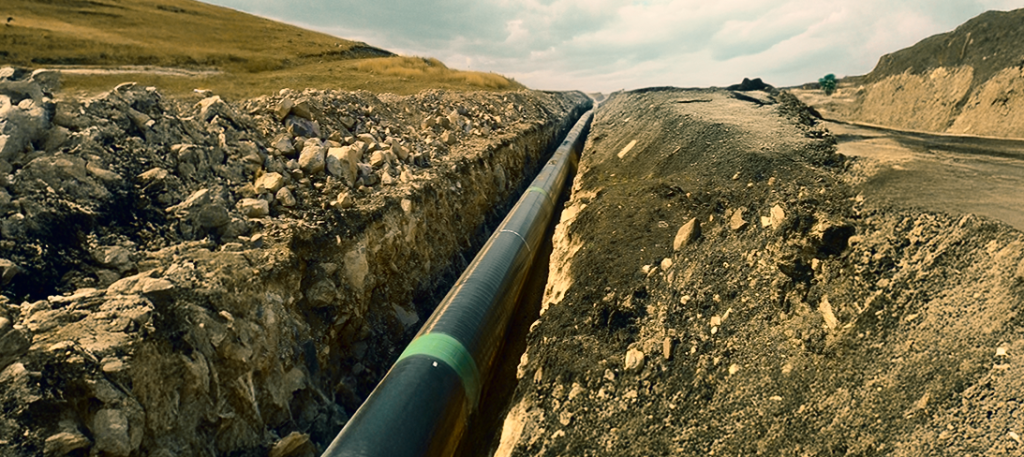
Buried pipelines are among the most critical assets in oil, gas, and utility networks. While they operate out of sight, any failure can have critical safety, environmental, and operational consequences. Moreover, direct inspection of buried pipelines is often costly, disruptive, and not feasible. Indirect examination techniques have become essential tools for maintaining pipeline integrity.
Indirect examination plays a key role in modern Pipeline Integrity Management Systems (PIMS), as outlined in ASME B31.8S for gas pipelines and API 1160 for hazardous liquid pipelines. Techniques such as Direct Current Voltage Gradient (DCVG) and Close Interval Potential (CIP) surveys allow operators to identify coating defects, evaluate cathodic protection effectiveness, and prioritize locations for excavation and direct assessment, particularly for non- inspectable pipelines.
This webinar will provide a comprehensive practical and easy-to-follow overview of indirect examination for buried pipelines, with a strong focus on DCVG and CIP surveys.
The session will be aligned with internationally recognized pipeline integrity standards, including NACE SP 0502 (External Corrosion Direct Assessment – ECDA), NACE SP 0207 (CIP and DC Surface Potential Gradient Surveys), and other relevant NACE, ASME, and API codes.
Key Aspects
How indirect examination complements other integrity assessment methods, including:
Who Should Attend?
Certificate of Training
From: January 25, 2026 2:00 pm
To: January 25, 2026 4:00 pm
Status: Completed
Type: Webinar